
Cannabis and Seasonal Depression: Comprehensive Guide to SAD, the Endocannabinoid System, and Evidence-Based Use
Seasonal affective disorder (SAD) is a recurrent depressive pattern tied to seasonal light changes, most often striking in late fall and winter. This guide explains how cannabis might interact with mood and circadian biology, what the research and real-world data suggest, and how to think about benefits, risks, and practical use. You’ll also find answers to common questions and pointers to reputable resources, including Combatting Seasonal Depression and Cannabis and Seasonal Affective Disorder (SAD).
Understanding Seasonal Depression and the Endocannabinoid System
Seasonal depression tracks with daylight loss. Less light shifts circadian rhythms, dampens serotonin and dopamine signaling, and raises melatonin at odd hours, producing low mood, fatigue, carb cravings, and social withdrawal. The endocannabinoid system (ECS)—made of CB1/CB2 receptors, endogenous ligands (anandamide, 2-AG), and metabolic enzymes—modulates stress reactivity, sleep, appetite, and hedonic tone. ECS tone shows daily and seasonal patterns, suggesting one mechanism by which cannabinoids (THC, CBD, and minor compounds) could influence SAD symptoms. Cannabis may acutely elevate positive affect, ease anxiety, improve sleep onset, and stimulate appetite; it can also impair motivation and REM sleep at higher doses or with heavy use.
Potential Benefits and Where Evidence Stands
Evidence for cannabis in SAD is preliminary. Small clinical signals and observational data indicate: • Low-dose THC can reduce stress and negative affect acutely, while higher doses may amplify anxiety or dysphoria. • CBD shows anxiolytic (anxiety-reducing) and antidepressive-adjacent effects in limited trials for generalized anxiety, insomnia, and stress, and may counter some THC side effects. • Cannabinoid-mediated sleep improvements often reflect easier sleep initiation, but high-THC products can fragment REM and produce next-day grogginess. For most people, cornerstone therapies like bright-light therapy (10,000 lux morning exposure), behavioral activation, regular exercise, and sleep-schedule repair have the strongest evidence and should remain first-line; cannabinoids can be considered as adjuncts—especially for appetite, sleep onset, and anxiety relief—if used thoughtfully.
Symptom Targets: What Cannabis Might Help (and What It Might Not)
• Sleep onset: Indica-leaning chemotypes or THC:CBD 1:1 in small evening doses may shorten sleep latency. • Anxiety/stress reactivity: CBD-forward options (broad-spectrum or isolate) and very low THC microdoses can help some users. • Appetite/weight loss in winter depression: Low-to-moderate THC may restore appetite; CBD alone is less reliable here. • Daytime energy and executive function: Cannabis is inconsistent; stimulating terpenes (limonene, pinene) are marketed for “daytime,” but high THC can blunt motivation. Consider non-intoxicating CBD in the daytime if used at all.
Dosage, Onset, and Form Factors
• Inhalation (flower or vape): Onset minutes; duration 2–4 hours. Easiest for microdosing; avoid high-THC sessions, especially in the morning. • Tinctures/sublinguals: Onset 15–45 minutes; duration 4–6+ hours. Works well for steady evening wind-down or sleep support. • Edibles: Onset 45–120 minutes; duration 6–8+ hours. Start low (1–2.5 mg THC or 5–20 mg CBD) to avoid overshooting into anxiety or next-day fog. • Balanced ratios: 1:1 THC:CBD or CBD-dominant (e.g., 10:1) often provide calmer mood with fewer side effects than THC alone.
Strain Chemistry: Terpenes and Cannabinoid Profiles
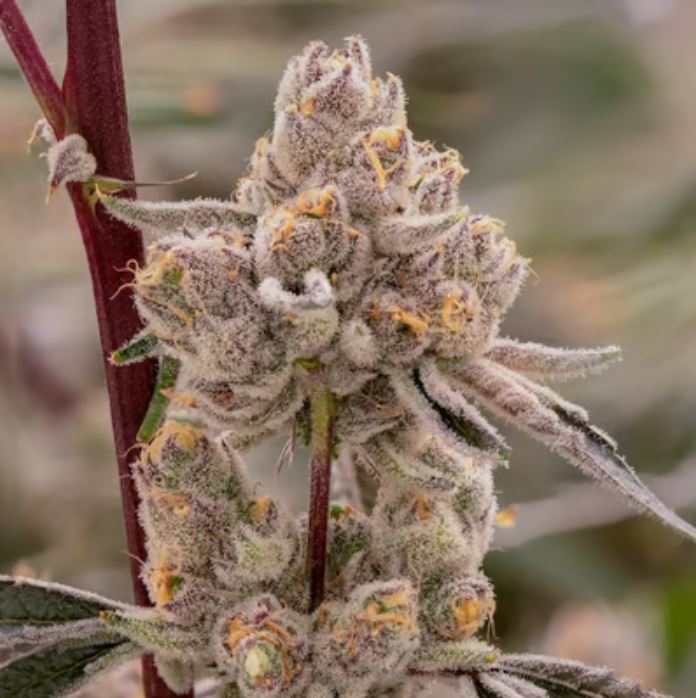
Marketing names matter less than chemistry. Seek lab reports when possible. • THC: Primary driver of intoxication and appetite; biphasic for mood—tiny amounts can soothe, higher amounts may worsen anxiety or lethargy. • CBD: Non-intoxicating; may reduce anxiety and temper THC’s edginess. • Terpenes: — Limonene: Associated with uplifted mood/anxiety relief in user reports. — Linalool: Calming; may support sleep onset. — Myrcene: Sedating; good for evening, not ideal for morning motivation. — Beta-caryophyllene: CB2-active; anti-inflammatory, potentially mood-modulating.
Risks, Side Effects, and Red-Flag Situations
• Worsening depression/anergia with heavy daily THC. • Anxiety, paranoia, or dysphoria from large doses or potent concentrates. • Sleep architecture disruption and next-day inertia with late, high-THC use. • Tolerance, dependence, and withdrawal (irritability, sleep disturbance) with chronic high-THC regimes. • Psychosis risk in predisposed individuals—avoid high-THC products if you or close relatives have psychotic disorders. • Interactions: CBD and THC can affect CYP450 enzymes; use caution with SSRIs/SNRIs, tricyclics, mood stabilizers, antipsychotics, and anticoagulants—discuss with your clinician.
How Cannabis Fits with Proven SAD Treatments
Best outcomes come from stacking fundamentals: • Morning bright-light therapy (10,000 lux for ~30 minutes) to correct circadian phase. • Fixed wake time, earlier daylight exposure, and evening screen-light hygiene. • Aerobic activity (150+ minutes/week) and outdoor light whenever possible. • Behavioral activation and social structure to counter withdrawal. • For severe or treatment-resistant SAD, discuss antidepressants or bupropion XL (often used seasonally) with a clinician. Cannabis can be layered as a symptom-targeted adjunct—e.g., CBD in the day for anxiety and a tiny THC-forward dose at night for sleep—while monitoring function, mood stability, and side effects.
Legal and Practical Considerations
• Follow your state’s medical/adult-use laws and purchase from licensed dispensaries with lab-verified products. • Keep dosing logs (time, product, dose, effects, side effects). Adjust one variable at a time. • Prefer products with published cannabinoid/terpene profiles and recent COAs. • Avoid driving, operating machinery, or important decisions when impaired.
Myths and Misconceptions
• “More THC = better mood.” Mood effects are biphasic; low doses may help, higher doses can boomerang. • “CBD is sedating.” CBD is generally alerting at lower doses and calming at moderate ones; it isn’t a sedative. • “Indica always relaxes; sativa always energizes.” Effects track chemistry, not marketing labels. • “Cannabis replaces light therapy.” There’s stronger evidence for bright-light therapy; think “complement,” not “replacement.”
Research and Scientific Understanding
Human data on cannabis specifically for SAD are limited. The most solid threads: • Circadian biology is central in SAD; ECS signaling interacts with sleep, appetite, and stress systems that vary seasonally. • Low-dose THC may ease stress acutely; higher doses can worsen affect and cognition. • CBD shows anxiolytic and sleep-modulating signals in select trials. Future priorities include randomized trials testing CBD-dominant and balanced formulations as adjuncts to bright-light therapy, with outcomes on mood, sleep, circadian markers, and daytime functioning.
Frequently Asked Questions About Cannabis and Seasonal Depression
Can cannabis treat SAD by itself?
Cannabis is better viewed as an adjunct for symptom relief (sleep, anxiety, appetite). First-line treatments—morning bright-light therapy, structured routines, exercise, and when indicated, antidepressants—have stronger evidence.
What is a sensible starter approach?
Keep it minimal and targeted. In the evening, try 1–2.5 mg THC or a 1:1 THC:CBD microdose 60–90 minutes before bed, or 10–25 mg CBD without THC. Track sleep, next-day energy, and mood for two weeks before adjusting.
Is daytime cannabis helpful for SAD fatigue?
Often not. High-THC daytime use can worsen amotivation. If using anything during the day, consider CBD-dominant products and exposure to bright daylight plus movement instead.
Which terpenes should I look for?
For evening calm: linalool and myrcene (with modest THC). For calmer daytime tone: limonene with CBD dominance. Always let your own response guide selection.
Can cannabis worsen depression?
Yes—especially with heavy daily THC, high doses, or concentrates. Monitor for increasing apathy, disrupted sleep, anxiety, or flattening mood and reduce or stop if these emerge.
How do I combine cannabis with light therapy?
Use bright-light therapy shortly after waking. Reserve any THC-forward dose for evening. Avoid THC within several hours of planned morning light sessions to keep circadian signals crisp.
Does CBD interact with antidepressants or mood stabilizers?
CBD can affect drug metabolism. Coordinate with your prescriber if you take SSRIs, SNRIs, TCAs, lithium, lamotrigine, antipsychotics, or anticoagulants.
What if I’ve had anxiety or paranoia with THC?
Stick to CBD-dominant options or very low THC microdoses, consider slower oral routes, and pair with calming terpenes (linalool). Stop and reassess if anxiety returns.
Is vaping or edibles better for SAD?
For micro-adjustments, inhalation is easier to titrate; for steady nighttime coverage, low-dose tinctures or edibles work well. Avoid large late-night THC doses that cause morning grogginess.
Where can I read more about cannabis and seasonal depression?
See these plain-language guides: Combatting Seasonal Depression and Cannabis and Seasonal Affective Disorder (SAD).