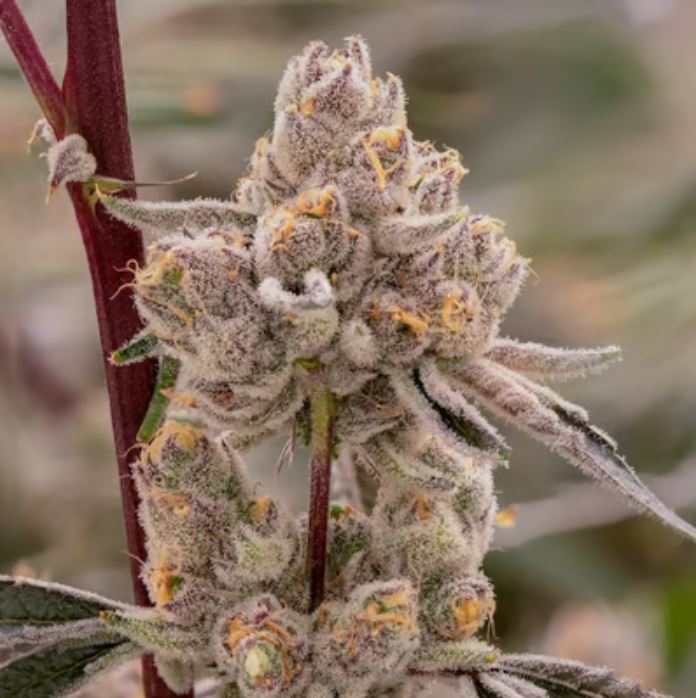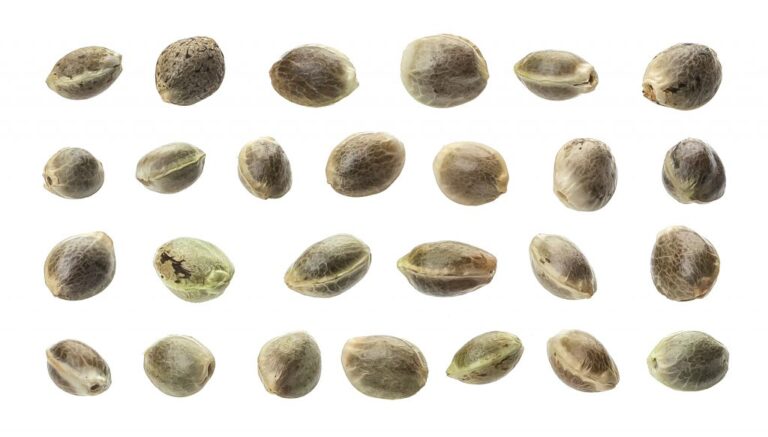
Indica vs Sativa vs Hybrid
If you have been shopping for cannabis clones or seeds lately, you have probably seen strains labeled as indica, sativa, or hybrid. These categories have been part of cannabis culture for decades and still shape how growers and smokers talk about different plants today. While modern genetics have become heavily crossed and blended over the years, understanding the differences between these categories can still help you choose the right strain for your goals. It is also important to start with clean, healthy genetics, especially in today’s market where issues like HLVD have become a serious concern for cannabis growers.
What Is an Indica?
Indica strains are usually associated with relaxing, body-heavy effects. Traditionally, indica plants originated from regions with colder climates like Afghanistan and parts of Central Asia. These plants evolved to stay shorter, bushier, and more compact, making them ideal for indoor cultivation.
Most indica strains produce broad leaves, dense buds, and a shorter flowering time compared to sativas. Growers often prefer indicas because they are easier to manage in smaller grow rooms and tend to finish faster.
Consumers usually describe indica effects as calming, sleepy, or physically relaxing. Many people turn to indica strains at night or after work when they want to unwind. Popular indica-dominant strains often carry earthy, fuel-heavy, or sweet dessert terpene profiles.
Some common reasons people choose indica strains include:
- Relaxation after a long day
- Evening use
- Appetite stimulation
- Stress relief
- Body-focused effects
Well-known indica or indica-dominant strains include Northern Lights, Bubba Kush, Purple Punch, and Granddaddy Purple.
What Is a Sativa?
Sativa strains are often connected to uplifting, energetic, and cerebral effects. Historically, these plants came from warmer climates near the equator, including regions in Thailand, Colombia, and parts of Mexico.
Sativa plants usually grow much taller than indicas and can stretch aggressively during flowering. Their leaves are thinner and narrower, and flowering times are often longer. Outdoor growers in warm climates have traditionally favored sativas because they can become massive plants under the right conditions.
Many cannabis users describe sativas as more stimulating and creative. These strains are commonly chosen for daytime use, social settings, or activities that require focus and energy.
Growers and consumers often choose sativas for:
- Daytime smoking
- Creative projects
- Social activities
- Mental stimulation
- Energetic effects
Classic sativa strains include Sour Diesel, Jack Herer, Durban Poison, and Strawberry Cough.
What Is a Hybrid?
Hybrid strains combine genetics from both indica and sativa plants. Today, most cannabis on the market falls into the hybrid category because breeders have spent decades crossing strains to combine desirable traits.
A hybrid can lean indica-dominant, sativa-dominant, or remain balanced between the two. This allows breeders to create strains with specific effects, terpene profiles, growth structures, and flowering times.
For example, one hybrid may deliver relaxing body effects while still keeping the mind active and creative. Another hybrid might offer strong energy up front before transitioning into a calmer finish later in the experience.
Hybrid strains have become extremely popular because they give growers and consumers more flexibility. Breeders can combine flavor, potency, structure, and effects into highly specialized cultivars.
Popular hybrid strains include Gelato, Runtz, RS11, Oreoz and CBD strains like Charlotte’s Web.
Does Indica or Sativa Matter Today?
Modern cannabis genetics have become so heavily mixed that the traditional indica vs sativa debate is not always as simple as it used to be. Many experienced growers now pay closer attention to terpene profiles, cannabinoid content, and breeder lineage rather than relying only on labels.
For example, two strains labeled as hybrids may feel completely different because their terpene combinations are unique. One might be heavy in limonene and feel uplifting, while another rich in myrcene may feel sedating.
Still, indica, sativa, and hybrid categories remain useful starting points, especially for newer cannabis users trying to understand the basics.
Final Thoughts
Indica, sativa, and hybrid strains each bring different traits to the table. Indicas are often linked to relaxation and body effects, sativas are known for energy and mental stimulation, and hybrids blend characteristics from both worlds.
As cannabis breeding continues to evolve, the lines between these categories will likely keep blending together. The best way to find your ideal strain is to explore different seeds and clones, terpene profiles, and breeders while paying attention to how each plant affects you personally.